Does Cosmetic Dentistry Pose Additional Indemnity Risk?
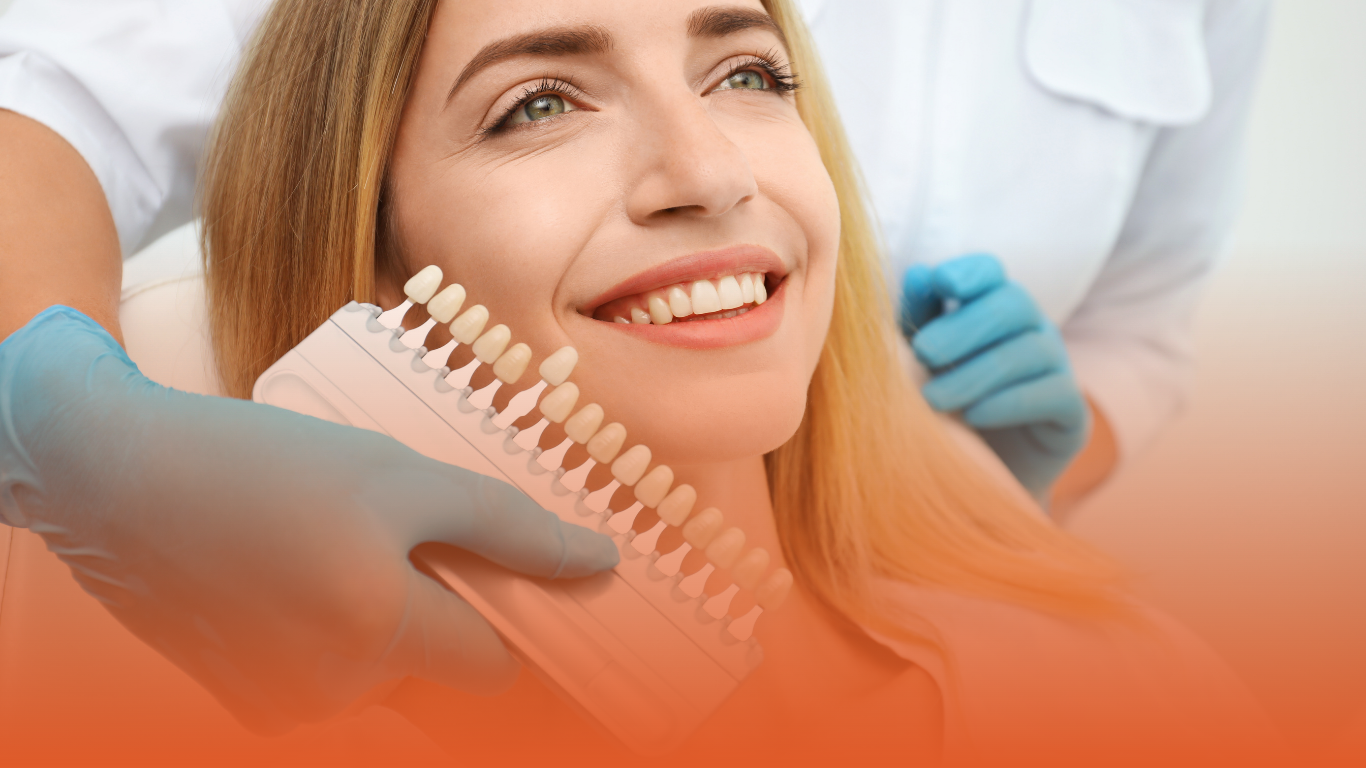
Cosmetic dental procedures inevitably increase the risk of claims from dissatisfied patients because such work must meet, not only the standards of competent care, but must satisfy the patients’ appearance requirements. It may be very challenging for the dentist to comply with the patients’ subjective expectations to achieve the desired cosmetics. Combined with the heightened standards of valid consent, the lifelong maintenance that these procedures may require and the increase in facial aesthetic treatments, clinicians face a significantly higher risk of negligence allegations when a procedure doesn’t meet a patient’s unrealistic expectations.
Factors which contribute to the complexity of aesthetic care include:
- Subjective vs objective success
- Increased patient expectations
- “Lifelong” maintenance
- Higher Informed Consent Standards
- Facial Aesthetic Procedures
A Closer Look At the Additional Risks of Cosmetic Dentistry
Subjective vs Objective Success
A key risk with cosmetic procedures is that the outcome of the procedure is judged, not solely on clinical standards but also on the patient’s expectations. Because subjectivity and opinion may dictate the outcome, there is an increased risk of claims if the procedure’s outcome is not deemed by the patient to be satisfactory. When a patient’s expectations are unrealistic, the dentist experiences additional problems. Clear communication is essential in avoiding these unrealistic expectations that could result in disgruntled patients lodging claims and complaints if left disappointed.
Increased Patient Expectations
With cosmetic dental treatments being elective, a patient’s expectations are greatly increased. Because they are investing heavily in their appearance, they may behave more as consumers than as patients, increasing the challenges. With clients being inspired by celebrities and social media, much of which is photoshopped and altered, they may expect perfection that is unrealistic even for their inspiration. This greatly increases the risk of disappointment.
“Lifelong” Maintenance
Many cosmetic procedures require the removal of healthy, non-renewable tooth tissue, resulting in procedures that are irreversible and may require ongoing maintenance. This increases risk over time because of the increased treatment needs. Indemnity claims in these scenarios cover, not only the cost of the initial treatment, but frequently the projected costs of maintenance, repairs and replacing any restorations every 10 to 15 years for the rest of the patient’s life. This exponentially inflates the financial risk of the claim.
Higher Informed Consent Standards
From a dento-legal perspective, the requirements for valid consent are higher for elective treatments in comparison with treatments that are necessary. If a patient has perfectly healthy teeth and then chooses to alter them for aesthetic purposes, the process of obtaining consent requires that they must be warned of every single reasonable risk.
Facial Aesthetic Procedures
Risk further increases for practices that include the provision of non-surgical facial aesthetics, such as Botox or dermal fillers. This is because these procedures sit on the boundary of traditional dental negligence indemnity and insurance providers frequently require separate, specialised extensions or premium tiers to cover the new and distinct risks that these procedures present.
Ready to Get Started?
With the additional risks of cosmetic dentistry, it is vital to have the right cover to protect yourself and your practice. Reach out to our team and request a quote today!
If you have any questions before you begin, our team is happy to talk you through the process. We understand the dental profession, and we’re here to make sure you’re properly protected.
Densura provides professional indemnity tailored to UK dental professionals. All quotes are subject to individual assessment and underwriting.
Reviewed on 22 June 2026